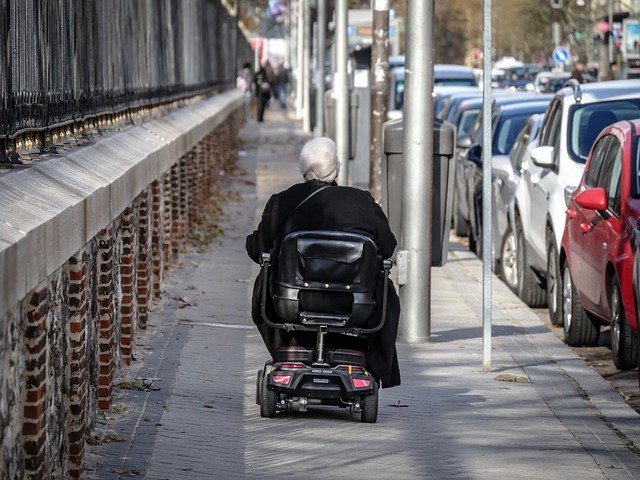
MONDAY, Aug. 5, 2024 (HealthDay News) — Despite the well-known benefits of regular exercise, many people with disabilities find it challenging to participate in physical activities. A recent review highlights several significant barriers, including the lack of adaptive equipment, insufficient staff training, and logistical hurdles. We’ll explore these issues and potential solutions here on Radamm.com.
Accessibility and Cost Challenges
One major challenge for people with disabilities is the lack of adaptive equipment in fitness centers. Many gyms do not have machines designed for different abilities, which can prevent individuals with disabilities from exercising. Alexandra Jamieson, a research scientist at The University of Texas at Arlington Research Institute, notes that “the biggest barriers to fitness are accessibility and cost.”
Gyms are not required by law to provide adaptive equipment, making it hard for them to justify the expense without clear demand. This lack of regulation and information limits fitness options for people with disabilities. Additionally, the high cost of adaptive equipment further restricts access.
Participation Rates and Health Risks
Statistics show a significant gap in physical activity between people with and without disabilities. About 16% of people have significant disabilities affecting their daily lives, but only 40% engage in regular physical activity. This low participation rate is concerning because exercise is vital for preventing and managing chronic diseases.
People with disabilities face higher risks for chronic conditions like heart disease, stroke, diabetes, and cancer. They are also more prone to mental health issues such as depression and anxiety. The lack of physical activity can worsen these health risks, emphasizing the need for inclusive fitness solutions.
Psychological and Social Barriers
Psychological factors also deter people with disabilities from exercising. Many struggle with low self-esteem and negative body image, reducing their motivation to join public fitness activities. Gyms may seem unwelcoming or intimidating, further discouraging participation.
Social barriers, such as negative societal attitudes and stigma, also impact willingness to engage in fitness activities. These barriers are compounded by social factors like lower employment rates, reduced educational attainment, and higher poverty levels among people with disabilities.
Transportation Challenges
Transportation to and from gyms can be a significant hurdle. While ride-sharing services and disabled transit options exist, they are not always reliable or equipped to meet the needs of people with disabilities. This lack of dependable transportation can further limit access to fitness facilities.
Home Gym Options and Government Assistance
For those unable to access gyms easily, home gyms can be a good alternative. However, adaptive home gym equipment is often expensive due to low demand, creating a financial barrier.
Government assistance programs could help. Medicaid offers purchasing assistance for assistive technology, but these programs are not well-known and only cover equipment deemed medically necessary by a doctor. Increasing awareness and broadening coverage could make home gym equipment more affordable.
Innovative Solutions
Addressing these barriers requires innovative approaches. Alexandra Jamieson is developing an accessible exercise machine with a video game component. This new machine aims to keep users engaged while monitoring their activity, offering a more appealing exercise experience for people with disabilities.
Understanding and Addressing Barriers
The World Health Organization (WHO) defines barriers as environmental factors that limit functioning and create disability. Understanding these barriers is crucial for developing effective solutions to enhance accessibility and inclusion. Here is a detailed look at the types of barriers and their impact:
Physical Environment
Physical environment barriers include accessibility issues within spaces that prevent effective navigation or use by people with disabilities. Examples include:
- Inaccessible Buildings: Structures lacking ramps, elevators, or wide doorways hinder access for wheelchair users.
- Unfriendly Design: Public spaces with uneven surfaces, stairs without handrails, or narrow aisles obstruct movement.
These obstacles can significantly challenge individuals with disabilities, limiting their ability to participate in activities, including fitness.
Assistive Technology
Assistive technology barriers involve the lack of necessary devices or adaptations. Examples include:
- Specialized Equipment: Gyms often lack adaptive exercise machines for people with physical impairments.
- Communication Devices: Individuals with hearing or visual impairments may need specific devices or software, which are not always available.
Without appropriate assistive technology, individuals with disabilities may struggle to engage in activities accessible to others.
Negative Attitudes
Negative attitudes encompass societal prejudices and discrimination towards disability.
- Stereotyping: Assumptions that individuals with disabilities are less capable.
- Stigma: Viewing disability as a personal tragedy rather than part of human diversity.
Such attitudes can discourage individuals with disabilities from participating in activities, affecting their well-being.
Services and Policies
Services and policies barriers relate to inadequate support services and policies ensuring accessibility. Examples include:
- Lack of Accessible Services: Public services not offering accommodations for individuals with disabilities.
- Ineffective Policies: Laws not enforced or lacking provisions for full accessibility.
These barriers can prevent access to necessary services, including fitness centers and programs.
Common Barriers Experienced by People with Disabilities
Understanding specific barriers helps in designing targeted solutions. These barriers are often categorized into seven types:
Attitudinal Barriers
Attitudinal barriers are social perceptions and biases impacting how people with disabilities are viewed and treated. Examples include:
- Stereotyping: Assumptions about abilities based on disability.
- Discrimination: Excluding individuals from opportunities due to disability.
These barriers create unwelcoming environments, discouraging participation and reducing opportunities.
Communication Barriers
Communication barriers involve difficulties in accessing and understanding information. Examples include:
- Visual Impairments: Lack of materials in accessible formats.
- Hearing Impairments: Absence of captions or sign language interpretation.
- Cognitive Impairments: Complex language challenging for individuals with cognitive disabilities.
Effective communication is essential for participation, and these barriers limit access to information and services.
Physical Barriers
Physical barriers are structural obstacles preventing easy mobility and access. Examples include:
- Steps and Curbs: Inaccessible entrances hindering movement for wheelchair users.
- Non-Adaptive Equipment: Fitness machines not accommodating various physical needs.
These barriers make it difficult for individuals with mobility impairments to access facilities and participate in activities.
Policy Barriers
Policy barriers involve issues related to implementing and enforcing accessibility laws. Examples include:
- Non-Compliance: Facilities not adhering to accessibility requirements.
- Lack of Awareness: Insufficient knowledge about legal obligations for inclusivity.
Effective policies and enforcement are crucial for ensuring equitable access and opportunity.
Programmatic Barriers
Programmatic barriers relate to the organization and delivery of programs and services. Examples include:
- Inconvenient Scheduling: Programs scheduled at inaccessible times.
- Lack of Accessible Equipment: Absence of adaptive equipment in programs.
Addressing these barriers involves ensuring programs are inclusive and accessible to all participants.
Social Barriers
Social barriers relate to broader societal conditions affecting individuals with disabilities. Examples include:
- Employment Disparities: Lower employment rates for people with disabilities.
- Educational Gaps: Reduced educational attainment impacting quality of life.
Social barriers influence access to resources and opportunities, affecting well-being and participation.
Transportation Barriers
Transportation barriers involve issues related to accessing reliable transportation options. Examples include:
- Inaccessible Transportation: Lack of accessible vehicles accommodating disabilities.
- Limited Availability: Insufficient transportation services in certain areas.
Reliable transportation is essential for enabling participation in activities and accessing services.
Addressing these barriers requires a comprehensive approach, including improving accessibility, expanding assistive technology, changing societal attitudes, and ensuring effective policies and services. By tackling these challenges, we can create a more inclusive environment supporting full participation for individuals with disabilities.
Conclusion
The challenges faced by people with disabilities in accessing exercise facilities are complex, involving equipment, cost, transportation, and societal attitudes. Addressing these barriers requires effort from fitness centers, government programs, and society. By improving accessibility, reducing costs, and fostering inclusivity, we can ensure everyone benefits from regular physical activity.