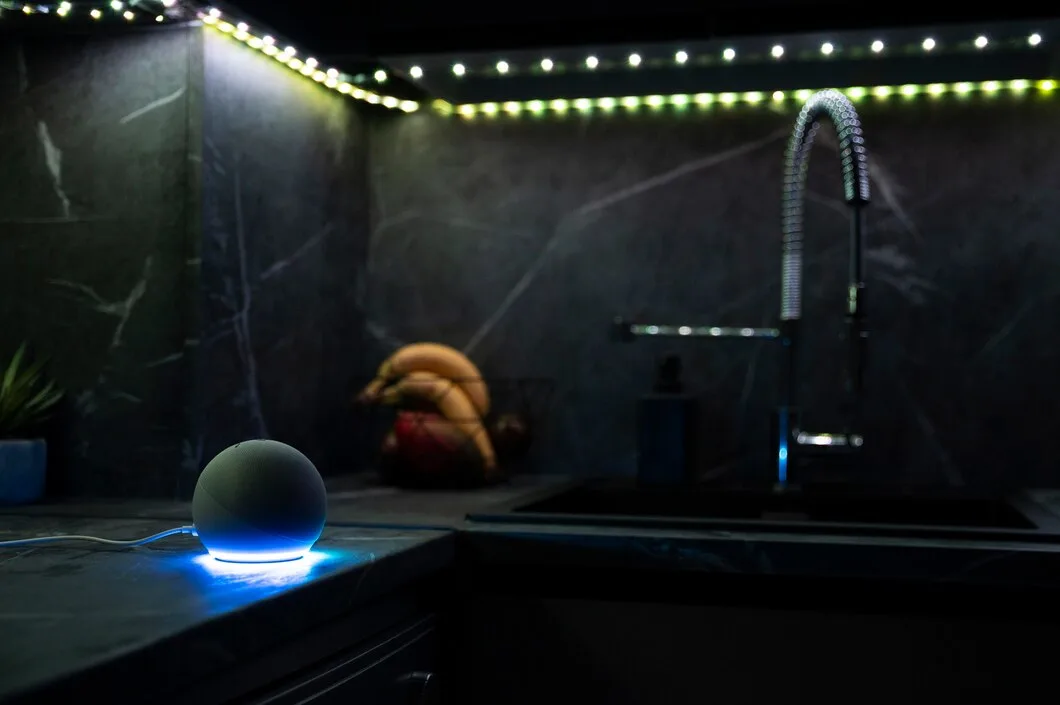
The Growing Demand for Efficient Lighting Solutions
LED lighting has transformed the way residential, commercial, and industrial spaces are illuminated. As energy efficiency becomes a greater priority, more projects are shifting toward lighting systems that provide consistent performance while reducing power consumption. Modern LED solutions offer flexibility in design, long operational life, and improved brightness control, making them suitable for a wide range of applications.
From architectural installations to decorative lighting, LED technology continues to support creative and practical lighting requirements. Whether used for pathways, signage, or interior accents, properly designed LED systems can deliver dependable results for years.
Key Components Behind a Reliable LED Installation
Every successful LED installation depends on several essential components working together. LED strips, controllers, connectors, and power supplies each play an important role in maintaining performance and stability.
Advanced products such as free cutting COB LED strips help overcome installation limitations by allowing greater customization during setup. Compared with traditional SMD strips, COB technology produces uniform illumination without visible light spots, creating a cleaner visual appearance while simplifying maintenance.
Controllers also contribute to system flexibility. RGB touch controllers, for example, support multiple color modes, dimming functions, remote control operation, and extended control distances, making them useful for both residential and commercial environments.
What to Look for in a led strip lights manufacturer
Selecting a reliable led strip lights manufacturer involves evaluating product quality, manufacturing consistency, and technical expertise. LED strips are available in a variety of configurations, including 3528, 5050, 2835, and 3014 models, each designed to meet different lighting requirements.
For example, 5050 LED strips can provide 300 LEDs per 5-meter reel and support waterproof ratings such as IP65 and IP68. These strips are commonly used for cove lighting, architectural features, signage backlighting, and decorative event installations. Other options, such as 3014 LED strips with 240 LEDs per meter, offer high-density illumination suitable for applications requiring smooth and even light distribution.
Established in 2014, Shenzhen Dekingled Co., Ltd. has developed a broad portfolio of LED lighting products. The company operates from the 4th Floor, Building C, SanMing Industrial Park, Shiyan Town, Bao’an District, Shenzhen, China, and focuses on providing technical support, fast delivery, cost effective solutions, and quality manufacturing processes.
Why Power Stability Matters in LED Performance
Power stability directly influences LED lifespan and performance. Voltage fluctuations can cause brightness inconsistencies, reduced efficiency, and premature component wear. Choosing the correct voltage and power capacity helps ensure reliable operation across the entire lighting system.
Many installers prefer 24V LED strips because voltage drop is significantly reduced during longer runs. In comparison, 12V systems often experience noticeable brightness reduction toward the end of extended strip installations. Proper voltage selection improves uniformity and minimizes maintenance concerns over time.
Before installation, it is important to verify that the selected power supply matches the strip’s voltage requirements. This simple step helps prevent operational issues and protects connected components.
Applications That Benefit from Waterproof Power Technology
Outdoor environments present unique challenges for lighting systems. Exposure to rain, humidity, and temperature variations requires components that can withstand demanding conditions.
Applications such as landscape lighting, bridge outlines, building facades, pathways, and outdoor signage often rely on waterproof solutions. IP68 waterproof LED strips offer additional protection by maintaining safe operation even when illuminated at depths of up to three meters. This level of protection helps prevent water ingress and safeguards electrical components.
Neon lighting products and silicone covered LED strips are also commonly used in architectural projects, exhibition displays, and decorative installations where environmental resistance is essential.
Choosing the Right Waterproof Led Power Supply
When designing outdoor or moisture exposed lighting systems, selecting the proper Waterproof Led Power Supply is an important consideration. Factors such as voltage compatibility, load requirements, environmental protection ratings, and safety features should all be evaluated during the planning stage.
A properly matched power supply helps maintain stable output while protecting the lighting system from overloads and electrical irregularities. This becomes especially important for larger installations that include RGB lighting, high density LED strips, or extended cable runs.
Waterproof power solutions are frequently used in conjunction with RGBW strips, neon lighting systems, and high output architectural lighting projects where durability and reliability remain priorities.
Integrating LED Strips and Power Supplies for Long Term Performance
Long term performance depends on selecting compatible components and following recommended installation practices. Matching voltage specifications, calculating power requirements accurately, and ensuring proper heat management all contribute to system reliability.
Products such as 5050 RGBW LED strips offer features including RGB plus warm white lighting, brightness levels of approximately 1200 lumens, and color temperatures between 2700K and 3000K. When combined with suitable controllers and power supplies, these products can support dynamic lighting effects while maintaining efficiency.
Careful planning also helps reduce maintenance needs and extends the operational life of the entire installation.
Future Trends in LED Lighting Design
The LED industry continues to evolve with advances in efficiency, smart controls, and customization. Modern projects increasingly incorporate intelligent lighting systems that allow users to adjust brightness, colors, and schedules through remote interfaces.
Demand is also growing for flexible products that simplify installation without compromising performance. Free cutting COB strips, waterproof lighting systems, and high density LED configurations are examples of technologies that support this trend.
As lighting requirements become more sophisticated, manufacturers continue to develop solutions that balance efficiency, reliability, and design flexibility.
Conclusion
Reliable LED lighting systems are built on the combination of quality components, proper power management, and thoughtful installation planning. From advanced LED strips and controllers to waterproof power solutions, every component contributes to overall system performance.
By selecting compatible products and understanding the requirements of each application, lighting designers and installers can create efficient systems that deliver consistent results across a wide variety of environments.