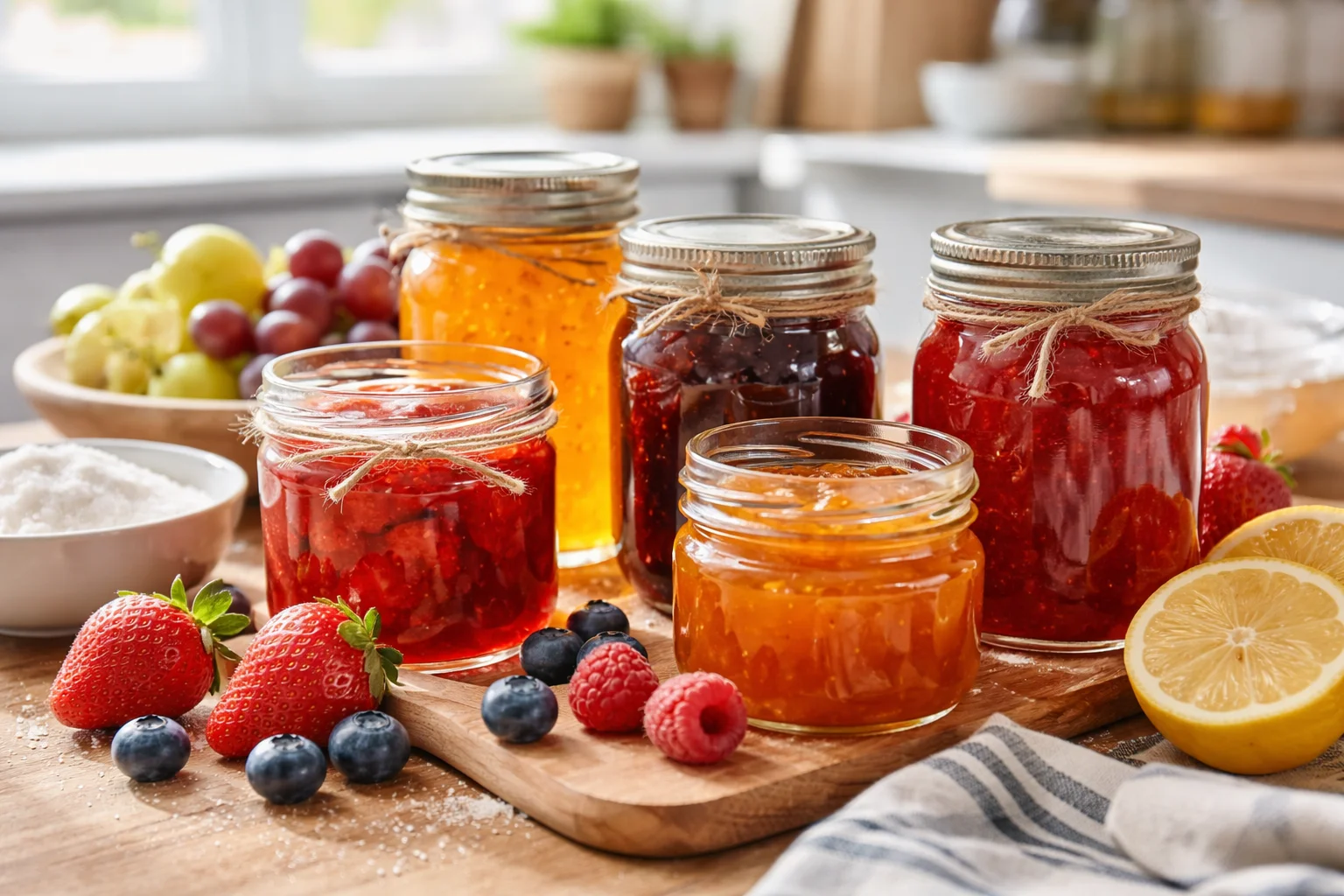
Jelly recipes are a beloved staple in many kitchens around the world, offering a sweet and versatile treat that appeals to cooks of all skill levels. Whether you’re a seasoned culinary enthusiast or a beginner looking to try your hand at jelly making, this comprehensive guide on RecipesJelly.com will provide you with everything you need to know to create delicious homemade jellies.
From traditional fruit preserves to innovative vegan and low-sugar options, discover the art and science behind crafting perfect jelly every time.
See also Insoya – A Complete Guide
Understanding Jelly Basics
What is Jelly?
Jelly is a translucent, sweet preserve made from fruit juice, sugar, and a gelling agent such as pectin. Unlike jam, which includes fruit chunks, jelly is smooth and clear, making it an ideal spread for toast, addition to desserts, or ingredients in savory dishes.
The process of jelly making involves boiling fruit juice with sugar and pectin, which helps the jelly set into a firm but spreadable consistency.
Key Ingredients in Jelly Making
- Fruit Juice – The base of any jelly recipe, fruit juice provides flavor and color. Popular choices include grape, apple, and berry juices.
- Sugar – Essential for sweetness and preservation, sugar helps stabilize the jelly.
- Pectin – A natural or commercial thickening agent that allows jelly to set properly.
- Acid – Often in the form of lemon juice, acid helps pectin work effectively and enhances flavor.
Popular Jelly Recipes
Classic Fruit Jelly
Ingredients
- 4 cups of fruit juice (grape, apple, or berry)
- 5 cups of sugar
- 1 package of pectin
- 1/4 cup of lemon juice
Instructions
- In a large pot, combine fruit juice and lemon juice. Gradually stir in pectin and bring to a boil over high heat.
- Add sugar, stirring constantly. Return to a full rolling boil for 1 minute.
- Remove from heat and skim off foam. Pour into sterilized jars and seal.
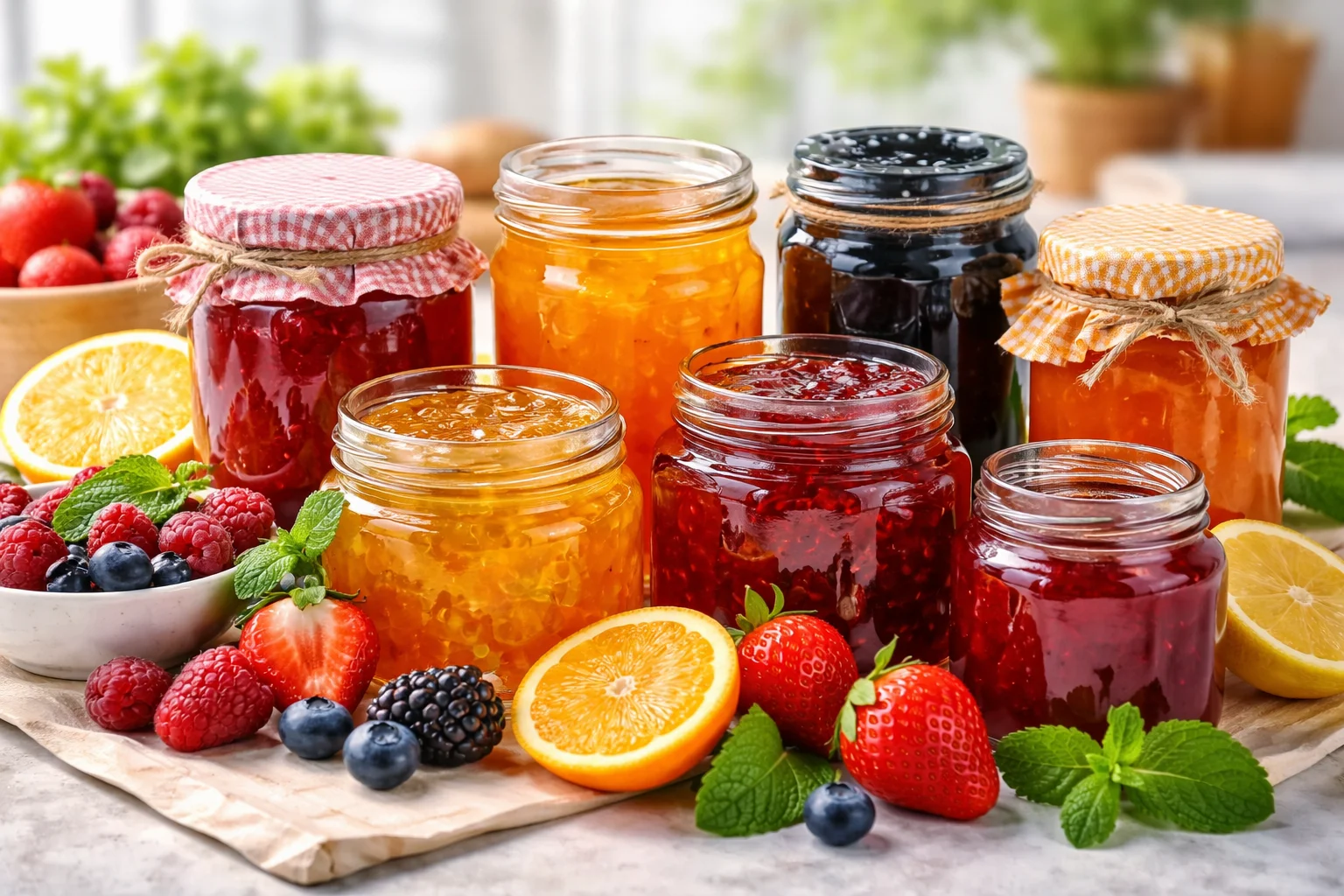
Vegan and Sugar-Free Options
With growing interest in health-conscious and plant-based diets, vegan and sugar-free jelly recipes are gaining popularity.
Vegan Jelly Recipe
- Use agar-agar as a substitute for gelatin or pectin.
- Sweeten with natural alternatives like agave syrup or stevia.
Sugar-Free Jelly Recipe
- Replace sugar with honey or a sugar substitute like erythritol.
- Opt for natural fruit juices without added sugars.
Step-by-Step Guide to Homemade Jelly
Ingredients Checklist
Before starting, ensure you have all necessary ingredients and equipment:
- Fruit juice
- Sugar or sugar substitute
- Pectin or agar-agar
- Lemon juice
- Large pot
- Sterilized jars and lids
- Ladle and funnel
Cooking Instructions
- Prepare Juice – Filter fruit juice to remove pulp for a clear jelly.
- Mix Ingredients – Combine juice, pectin, and lemon juice in a pot.
- Boil Mixture – Bring to a boil, then add sugar. Stir constantly.
- Test for Set – Use a cold plate to test if jelly sets properly.
- Jar and Seal – Pour into jars while hot, seal, and let cool.
Common Mistakes to Avoid
- Incorrect Pectin Use – Ensure correct pectin measurement for proper setting.
- Overcooking – Avoid overboiling, which can lead to a burnt taste.
- Improper Sealing – Ensure jars are sealed to prevent spoilage.
Creative Jelly Variations
Innovative Flavor Ideas
Experiment with unique flavor combinations to elevate your jelly-making:
- Lavender and Lemon – Adds floral notes to traditional citrus jelly.
- Chili and Lime – Perfect for a spicy kick in savory dishes.
- Mint and Berry – Refreshing twist for summer treats.
Seasonal and Holiday Recipes
- Pumpkin Spice Jelly – A fall favorite with warm spices.
- Cranberry Apple Jelly – Ideal for winter festivities.
- Mango Coconut Jelly – A tropical delight for summer gatherings.
Storing and Preserving Your Jelly
Best Practices for Preservation
Proper storage ensures your jelly remains fresh and safe to eat:
- Store in a cool, dark place to prevent spoilage.
- Use sterilized jars to extend shelf life.
How to Extend Shelf Life
- Freezing – Jelly can be frozen for up to a year, though texture may change.
- Refrigeration – Keep opened jars fresh for up to three weeks.
Expert Tips and FAQs
Troubleshooting Jelly Problems
How to fix jelly that didn’t set properly?
Reheat and add more pectin or acid, then reprocess.
Can jelly be frozen for later use?
Yes, freezing is an effective way to preserve jelly, though it may alter texture.
Expert Interview Insights
Renowned chef Jane Doe shares her insights:
- “Always use fresh, high-quality ingredients for the best flavor.”
- “Experiment with spices and herbs to create your signature jelly.”
FAQs
What is the difference between jam and jelly?
Jam contains fruit chunks while jelly is made from fruit juice.
How long does homemade jelly last?
Properly sealed, it can last up to a year in a cool, dark place.
Can you make jelly without pectin?
Yes, use fruit high in natural pectin, like apples or quinces.
What are the healthiest jelly recipes?
Opt for low-sugar and vegan alternatives using natural sweeteners.
Can you use honey instead of sugar in jelly recipes?
Yes, but adjust the amount as honey is sweeter than sugar.
How do you sterilize jars for jelly making?
Boil jars and lids for 10 minutes or use a dishwasher’s sterilize cycle.
Why is my jelly cloudy?
Cloudiness can result from inadequate juice filtration or overcooking.
Conclusion
Jelly making is both an art and a science, offering endless possibilities for creativity in the kitchen. By understanding the basics, experimenting with flavors, and following expert tips, you can master the skill of making delicious homemade jelly.
Whether you’re crafting a classic fruit jelly or exploring innovative vegan options, RecipesJelly.com is your go-to resource for all things jelly. Start your jelly-making journey today and relish the sweet rewards of your culinary creations.