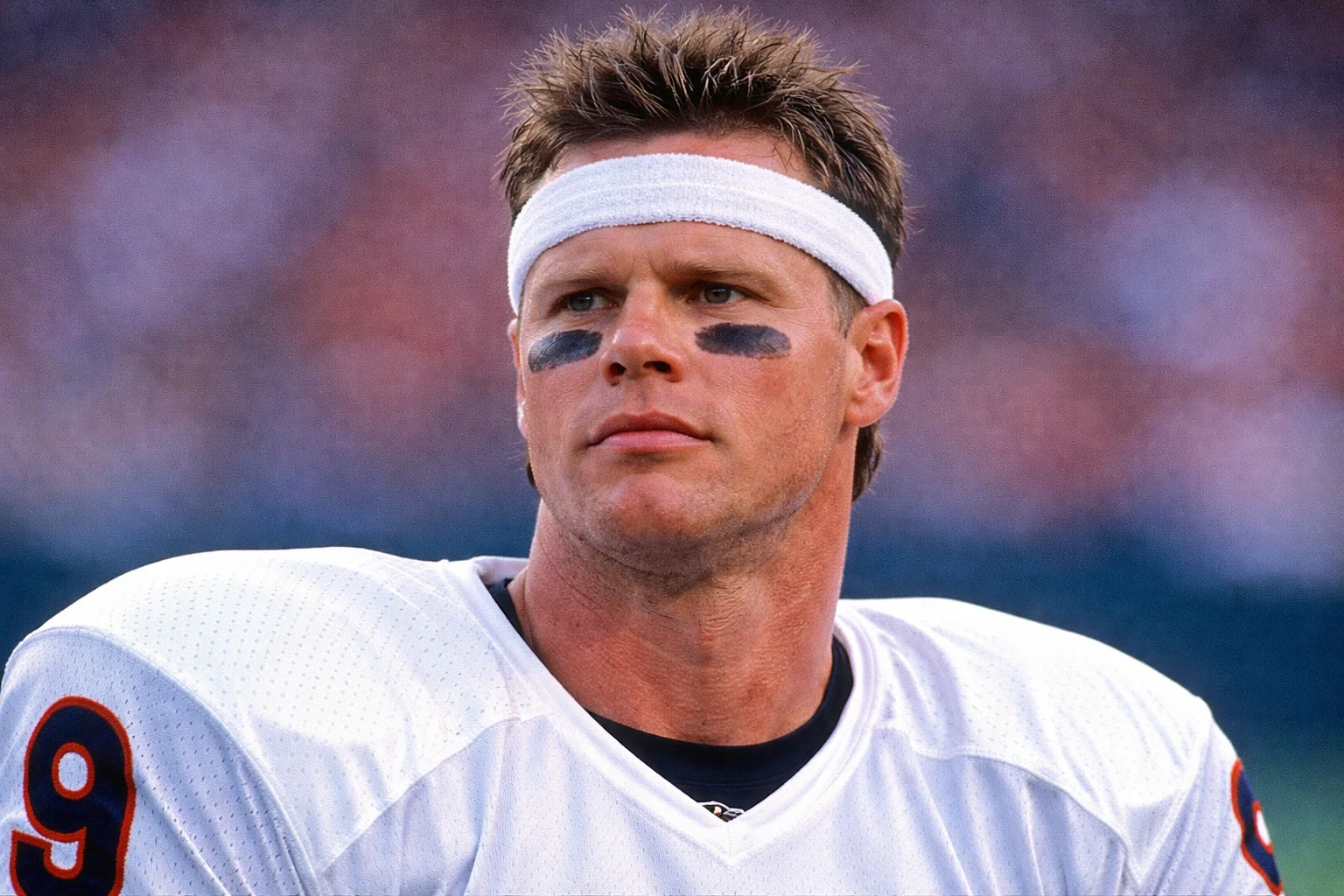
Former NFL quarterback Jim McMahon is a name well-remembered for his dynamic career with the Chicago Bears and his role in their 1985 Super Bowl victory. Yet, beyond his gridiron glory lies a complex health journey marked by both triumphs and challenges. This article delves into the health issues McMahon has faced, focusing on the impact of his football career, his ongoing battle with neurological conditions, and his advocacy for athlete health and wellness.
Early Career and Initial Health Concerns
Initial Signs and Diagnoses
Jim McMahon’s football career was illustrious but not without physical tolls. Early in his career, he began experiencing symptoms that would later be linked to his long-term health issues. Concussions were a frequent occurrence, an unfortunate reality for many NFL players at the time. These head injuries, often dismissed as minor setbacks, were precursors to more serious neurological conditions.
Early Interventions
During his playing days, McMahon’s injuries were managed with traditional medical approaches such as rest and rehabilitation. However, the understanding of traumatic brain injuries (TBIs) was limited during the 1980s and 1990s. This lack of awareness meant that the treatments were often inadequate for the long-term health implications he would face post-retirement.
See also Top 5 Features of Totalsportek for Soccer Match Analysis
Current Health Challenges
Chronic Traumatic Encephalopathy (CTE)
One of the most significant health challenges facing Jim McMahon is Chronic Traumatic Encephalopathy (CTE). This progressive brain condition is associated with repeated head injuries and concussions.
McMahon has been open about his struggles with CTE-related symptoms, which include:
- Memory loss
- Depression
- Cognitive impairments
Impact on Brain Health
The impact of CTE on McMahon’s brain health has been profound. He has spoken candidly about the difficulty of coping with symptoms that affect his daily life and mental health. This condition has not only influenced his personal well-being but has also fueled his passion for advocating for better safety protocols in sports.
Other Health Complications
In addition to CTE, McMahon has faced other neurological and physical health challenges, including:
- Vision Problems – Resulting from repeated head trauma
- Mobility Issues – Chronic pain and injuries affecting physical abilities
- Mental Health Struggles – Depression and anxiety common among former athletes dealing with post-career health issues
Medical and Alternative Treatments
Conventional Medical Treatments
Over the years, Jim McMahon has undergone various medical treatments to manage his health conditions, including:
- Surgeries – Addressing orthopedic and neurological issues
- Rehabilitation Programs – Focused on improving mobility and reducing pain
Exploration of Alternative Therapies
In recent years, McMahon has explored alternative therapies as part of his pain management strategy. These include:
- Chiropractic Care – To alleviate spinal issues and improve overall wellness
- Hyperbaric Oxygen Therapy (HBOT) – Investigated for its potential benefits in treating brain injuries
- Cannabis – Used for pain relief and as an alternative to traditional pharmaceuticals
Advocacy and Public Awareness
Contributions to Health Awareness
Jim McMahon has become a vocal advocate for athlete health and safety. His personal experiences have driven him to raise awareness about the risks of concussions and the importance of proper diagnosis and treatment.
His advocacy efforts extend to:
- Speaking Engagements – Sharing his story to educate others about CTE and athlete health
- Collaboration with Health Organizations – Working with groups focused on improving safety standards in sports
Statements on Sports Safety
McMahon has been critical of the NFL’s handling of concussion protocols and has called for more stringent measures to protect players. His statements have sparked important conversations about the need for rule changes and better protective gear in football and other contact sports.
Personal Impact and Lifestyle Changes
Effect on Personal Life
The health challenges faced by Jim McMahon have inevitably impacted his personal life. He has had to adapt to the limitations imposed by his conditions, which has affected his family and social interactions.
Despite these challenges, McMahon remains resilient, finding strength in his advocacy work and public support.
Adaptations and Coping Strategies
To manage his health, McMahon has adopted various lifestyle changes, such as:
- Regular Physical Therapy – To maintain mobility and manage pain
- Mental Health Support – Engaging in therapy to address depression and anxiety
- Diet and Exercise – Emphasizing a healthy lifestyle to support overall well-being
Case Study: Comparison with Other NFL Players
The health issues faced by Jim McMahon are not unique. Many former NFL players have experienced similar challenges. The comparison below highlights common themes and differences.
| Player | Primary Health Issue | Advocacy Efforts |
| Jim McMahon | CTE, vision, and mobility issues | Concussion awareness, sports safety |
| Mike Webster | CTE and mental health | Posthumous influence on CTE research |
| Junior Seau | CTE and mental health | Raised awareness through tragic passing |
| Brett Favre | Concussions and memory loss | Advocates for youth sports safety |
This comparison illustrates the widespread nature of health issues among NFL players and underscores the importance of ongoing research and advocacy.
Conclusion and Future Outlook
Jim McMahon health journey is a testament to the long-term impact of professional sports on athlete health. His struggles with CTE and other health issues highlight the need for continued advocacy and improvements in sports safety protocols.
As McMahon continues to speak out and raise awareness, he remains a powerful voice in the conversation about athlete health and well-being.
In closing, the story of Jim McMahon is both a cautionary tale and a source of inspiration. His resilience and dedication to advocacy offer hope for future generations of athletes. As we look to the future, it is crucial that the lessons learned from McMahon’s experiences drive meaningful change in how we approach athlete health and safety.
Frequently Asked Questions
What specific health issues is Jim McMahon facing now?
Jim McMahon is dealing with Chronic Traumatic Encephalopathy (CTE), vision problems, mobility issues, and mental health challenges related to his football career.
How has Jim McMahon’s health advocacy impacted NFL policies?
While McMahon’s advocacy has raised awareness and sparked discussions, significant policy changes regarding concussion protocols and player safety are still needed.
What are the most effective treatments Jim McMahon has tried for his injuries?
McMahon has found relief through a combination of surgeries, rehabilitation, chiropractic care, hyperbaric oxygen therapy, and cannabis for pain management.
How does Jim McMahon manage his mental health?
McMahon engages in therapy, relies on support from family and friends, and advocates for mental health awareness among athletes.
What role does Jim McMahon play in raising awareness for brain injury research?
Through public speaking and collaboration with health organizations, McMahon actively promotes research and awareness for brain injuries and athlete health.
How do Jim McMahon health struggles compare to other NFL players?
Like many former NFL players, McMahon faces CTE and related health issues, drawing attention to the need for better safety measures and post-career support.
What lifestyle changes has Jim McMahon made to cope with his health issues?
McMahon has adopted a regimen of physical therapy, mental health support, and healthy lifestyle habits to manage his conditions effectively.
In summary, Jim McMahon health journey serves as a significant case for understanding the complex intersection of sports, health, and advocacy. His story continues to inspire and educate both current and future athletes, as well as the broader public, about the importance of prioritizing health and safety in sports.